 Save
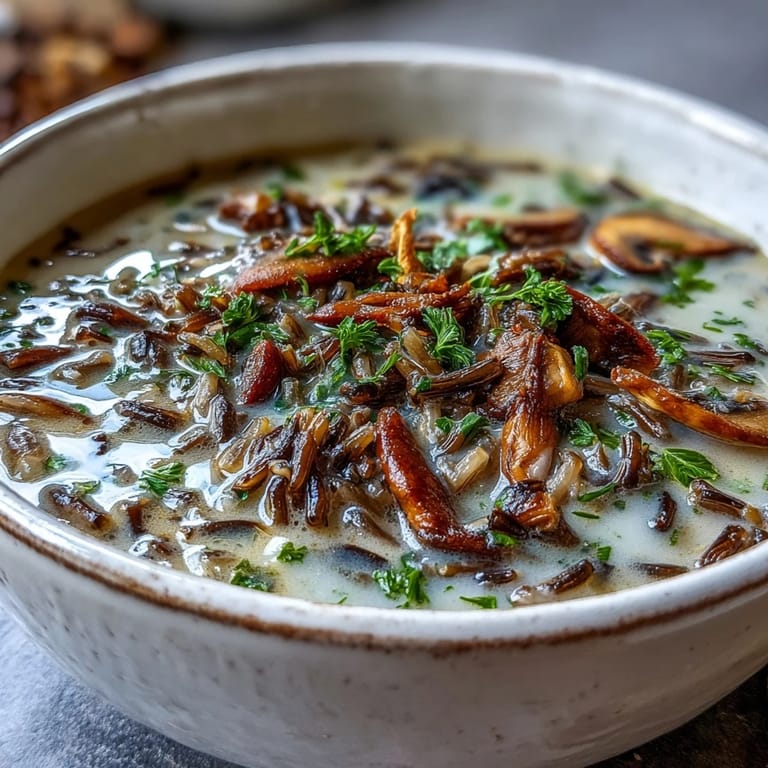
Save There's something about the first cool evening of fall that makes you crave a bowl of something warm and substantial. I was standing in my kitchen, staring at a container of wild mushrooms from the farmers market, when my neighbor stopped by and mentioned how she'd been making wild rice soup all week. That conversation stuck with me, and I found myself experimenting that very night, layering in earthy mushrooms, nutty rice, and cream until the kitchen smelled like a cozy cabin. What emerged was this rich, velvety soup that somehow tastes like comfort wrapped in a spoon.
I made this for my family on a rainy Sunday, and my dad actually asked for seconds, which never happens with soup. He sat at the kitchen counter with his bowl, periodically offering feedback about the rosemary, the creaminess, the way the mushrooms had this almost meaty quality. By the time he finished, he was already asking if I'd make it again next week, and suddenly what started as an experiment became something expected, something that mattered.
Ingredients
- Olive oil: Keeps things moving in the pan and helps coax out all those deep flavors from the vegetables and mushrooms without anything sticking.
- Yellow onion, celery, and carrots: This holy trinity is your flavor foundation, and dicing them fine helps them meld into the background so the mushrooms and rice shine.
- Garlic cloves: Mince them small so they distribute evenly and don't overpower with bitter burnt bits if you're not careful.
- Fresh thyme and rosemary: These herbs give the soup its earthy, almost woodsy character that makes it feel intentional rather than accidental.
- Bay leaf: Adds a subtle sophistication that's hard to name but impossible to miss if it's missing.
- Fresh parsley: Keeps things bright and alive, especially important since everything else in the soup tends toward deep and dark.
- Mixed wild mushrooms: Cremini, shiitake, and oyster together create complexity and texture, each bringing different earthiness to the party.
- Wild rice: Rinse it well first, and don't skip this step even though it feels tedious because it removes dust and helps the grains cook evenly.
- Vegetable broth: Quality matters here since there's nothing else to hide behind, so use something you'd actually drink on its own.
- Heavy cream: Adds the silky finish that makes this feel indulgent rather than just thick.
- All-purpose flour: Acts as your thickener and helps create body without needing cream soup base or other shortcuts.
- Soy sauce: A teaspoon of umami that rounds out all the earthy elements and adds depth you can't quite identify.
- Salt and pepper: Taste as you go because wild rice and mushrooms already carry their own flavors.
Tired of Takeout? 🥡
Get 10 meals you can make faster than delivery arrives. Seriously.
One email. No spam. Unsubscribe anytime.
Instructions
- Sauté your vegetable foundation:
- Heat the olive oil in your pot over medium heat and add the onion, celery, and carrots, letting them soften for about 6 to 8 minutes until they start to turn translucent at the edges. You're looking for that moment when they're tender enough to break apart easily with your spoon, not yet caramelized but definitely past raw and sharp.
- Wake up the aromatics:
- Stir in the garlic, thyme, rosemary, and bay leaf, cooking just for a minute or until the kitchen smells so good you'll wonder why you don't cook like this every single day. This brief cooking step mellows the garlic and lets the dried herbs bloom without burning anything.
- Build complexity with mushrooms:
- Add your sliced mushrooms and let them cook undisturbed for a few minutes, then stir, cooking for another 4 to 5 minutes until they've released their moisture and started to darken and concentrate. This is where the soup gets its deep, earthy soul, so don't rush it or crowd the pan.
- Create a roux base:
- Sprinkle the flour over everything and stir constantly for a minute or two until the vegetables are coated and the flour starts to toast slightly, smelling almost nutty. This prevents lumps later and adds subtle depth.
- Build the liquid carefully:
- Pour in the vegetable broth slowly while stirring constantly, watching the mixture transform from paste-like to silky without any flour clumps hiding at the bottom. Take your time here because this is where the texture comes from.
- Cook the rice until tender:
- Add the wild rice and soy sauce, bring everything to a boil, then reduce the heat and cover the pot, letting it simmer gently for 40 to 45 minutes, stirring occasionally so the rice cooks evenly. Wild rice takes longer than regular rice, but you'll know it's ready when the grains start to split open and the liquid is almost completely absorbed.
- Finish with cream and herbs:
- Remove the bay leaf, then stir in the cream and parsley, simmering uncovered for just 2 to 3 minutes to warm everything through without boiling the cream. This final addition softens the earthiness and brightens the whole bowl.
- Season to your taste:
- Add salt and pepper gradually, tasting between additions because the soy sauce already carries salt and you want to find your own balance. If the soup is thicker than you like, thin it with extra broth or cream until it feels right in your mouth.
 Save
Save What struck me most about making this soup regularly is how it became something people looked forward to, the way a bowl of it could shift someone's whole afternoon from rushed to peaceful. There's power in that kind of simple nourishment, in knowing exactly what went into something warm that's about to go into someone you care about.
Variations Worth Trying
I've added a splash of dry sherry or white wine right after the mushrooms finish cooking, and it brings this sophisticated, slightly sweet edge that elevates the whole thing. For a vegan version, cashew cream works beautifully and honestly tastes indistinguishable from dairy cream once it's simmered into the soup. Some mornings I've added a handful of spinach or kale at the very end for color and nutrition, though this is entirely optional and changes the flavor profile slightly.
Storage and Reheating
This soup keeps well in the refrigerator for about four days, and I've found it actually tastes better on day two or three when all the flavors have had time to get comfortable with each other. Reheat gently on the stovetop over medium heat, stirring occasionally and adding a splash of broth if it's thickened too much, because wild rice continues absorbing liquid even after cooking.
Serving Suggestions and Pairings
Serve this in wide bowls so people can actually see all the beautiful mushroom pieces and tender rice grains, and always have crusty bread nearby for soaking up every last drop. A simple green salad on the side balances the richness, and a glass of white wine or simple apple cider pairs surprisingly well with the earthiness.
- Garnish generously with fresh parsley right before serving to keep everything from feeling too heavy and one-note.
- If you're feeding guests, have extra broth on the table so people can adjust thickness to their preference without you playing soup police.
- Make it in the morning and let it sit until evening for deeper flavor development, then just reheat when you're ready to eat.
 Save
Save This soup has become my answer to almost any occasion where comfort is needed, whether someone's sick, stressed, or just tired of regular food. There's something deeply satisfying about ladling a bowl of something that took actual time and care, knowing it's going to warm someone from the inside out.
Kitchen Guide
- → Can I make this soup vegan?
Yes, simply substitute the heavy cream with plant-based alternatives like cashew cream, coconut cream, or your favorite vegan cream. Ensure the flour and soy sauce are certified gluten-free if needed, and the soup becomes entirely plant-based while maintaining its rich, creamy texture.
- → What type of wild rice works best?
True wild rice or a wild rice blend both work beautifully. Look for long, dark grains that haven't been over-processed. Rinse thoroughly before cooking to remove any debris. The rice should have a nutty flavor and maintain a slight chew even after simmering, which adds wonderful texture to the soup.
- → Can I use regular mushrooms instead of wild?
While wild mushrooms like cremini, shiitake, and oyster provide deeper earthy flavors, you can substitute with button or cremini mushrooms if wild varieties aren't available. Consider adding dried porcini mushrooms rehydrated in the broth for an extra layer of umami flavor that wild mushrooms typically provide.
- → How do I store and reheat leftovers?
Store cooled soup in an airtight container in the refrigerator for up to 4 days. The rice will continue absorbing liquid, so you may need to add extra broth when reheating. Reheat gently over medium-low heat, stirring occasionally. This soup also freezes well for up to 3 months—thaw overnight in the refrigerator before reheating.
- → How can I make the soup thicker or thinner?
For a thicker soup, increase the flour to 4 tablespoons or simmer uncovered longer to reduce the liquid. You can also mash some of the rice against the pot's side. To thin, add more vegetable broth or cream until reaching your desired consistency. The soup naturally thickens as it sits, so adjust accordingly when reheating leftovers.