 Save
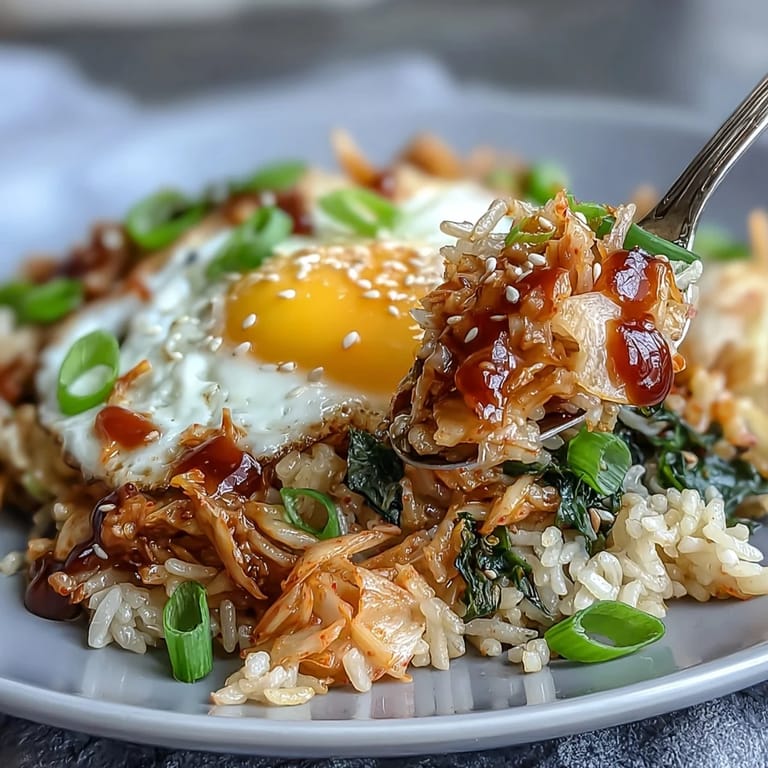
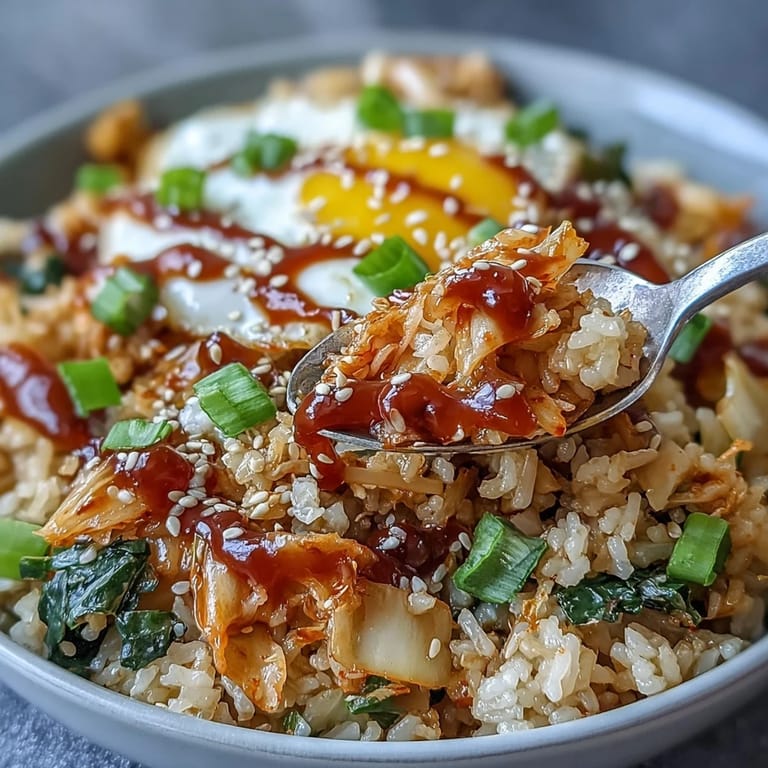
Save The first thing you notice when kimchi hits a hot pan is the wild, electric sizzle—like the kitchen’s announcing something bold is about to happen. I was genuinely skeptical the first time I flung last night’s rice and cabbage into a wok with a half-jar of kimchi, but the aromas had me grinning within minutes. The tang, the spice, the way the egg yolk dripped down through little crags of rice—this dish won me over on a random weekday when dinner plans had completely derailed. It’s now my trick when everything else feels too fussy and I want serious flavor fast.
Once, after a head-clearing walk during an ice-cold snap, friends crowded into my tiny apartment and I spontaneously made this kimchi fried rice—everyone shed their coats, the windows fogged up fast, and we ate hunched over steaming bowls, delighted by every spicy bite. There was laughter about my bright orange spatula and someone trying to flip a fried egg with chopsticks, which still makes me chuckle. This recipe instantly broke the winter gloom and made us all feel pretty clever for it.
Ingredients
- Napa cabbage: Sliced thin, it makes the rice light and adds gentle crunch; fresh cabbage holds up best, so use the crispest leaves you can find.
- Kimchi (with juice): The star—use aged, well-fermented kimchi for real flavor pop, and don’t skip the juice, as it brings a hidden punch of tang and richness.
- Green onions: Scatter plenty throughout for grassy bite and a fresh note in every forkful.
- Carrot (optional): I throw this in when I’ve got a small carrot languishing in the crisper—besides color, it sweetens the dish ever so slightly.
- Cooked jasmine or short-grain rice: This dish is a bona fide leftover hero; day-old, cold rice separates into fluffy grains that fry up beautifully (fresh tends to turn gluey).
- Soy sauce: Lends just the right savory base—taste as you go, since kimchi saltiness can vary.
- Gochujang (optional): A dab of this Korean chili paste makes the whole thing feel like a spicy, happy secret if you love heat.
- Toasted sesame oil: Adds aromatic depth right at the end; drizzle gently so it isn’t overpowering.
- Sugar: I learned a tiny bit rounds out the acidity and adds balance—don’t be tempted to skip it entirely.
- Black pepper: A dusting brings an extra bit of warmth in the back notes.
- Large eggs: Fried just until the edges crisp, the yolk turns the rice luxuriously saucy when broken.
- Neutral oil: Keeps everything moving in the pan; I’ve found canola or sunflower oil stand up well to high heat.
- Toasted sesame seeds: Sprinkle these on top for finishing crunch and a nutty surprise.
- Extra green onions (garnish): The last touch for a fresh, restaurant-style splash of color.
Tired of Takeout? 🥡
Get 10 meals you can make faster than delivery arrives. Seriously.
One email. No spam. Unsubscribe anytime.
Instructions
- Prep your ingredients:
- Slice, chop, and have everything set out on the counter so you’re ready to move fast once the pan is hot.
- Sauté veggies:
- Add cabbage and carrot to a skillet with half the oil, letting them sizzle and soften just until fragrant and yielding, about 2 minutes.
- Add kimchi and onions:
- Toss in chopped kimchi (plus its juice) and green onions; stir-fry until the kitchen smells wildly savory and everything glistens.
- Rice joins the party:
- Push in the cold rice, breaking up clumps with your spatula as you combine everything—the grains should separate and take on color quickly.
- Season to taste:
- Drizzle in the soy sauce, gochujang, sesame oil, sugar, and black pepper; keep the rice moving for even coating and let the edges crisp, about 3–4 minutes.
- Adjust and taste:
- Sneak a bite and tweak anything: if you want more tang or spice, now’s the time to add.
- Fry the eggs:
- In a separate nonstick pan with the rest of the oil, fry eggs sunny-side up until the whites are set but yolks stay runny—aim for crispy edges if you can.
- Assemble and serve:
- Spoon the fried rice into bowls, top with an egg, scatter sesame seeds and extra green onions, and serve immediately for maximum impact.
 Save
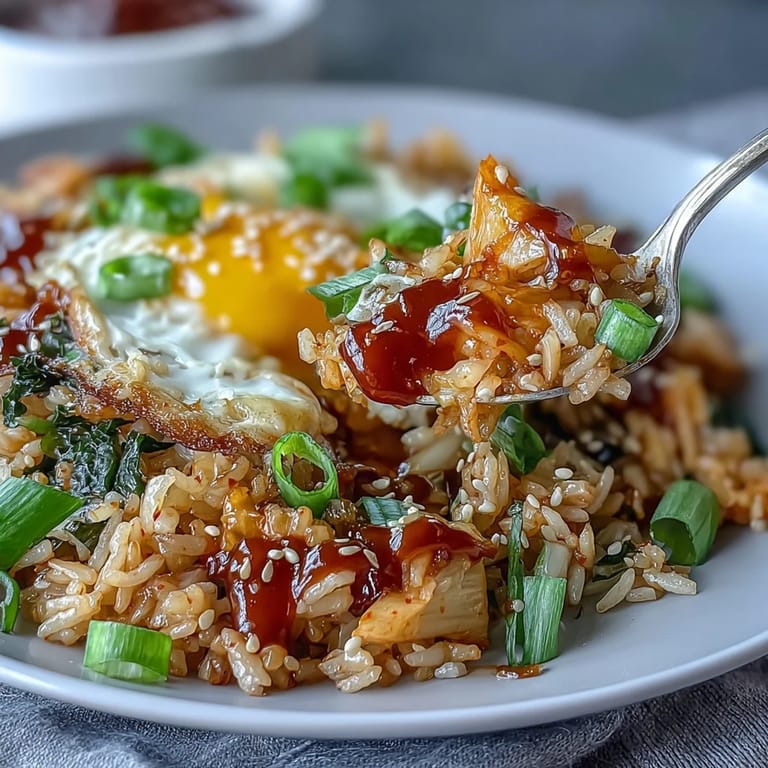
Save The evening I realized this dish meant something more was when my notoriously spice-shy sibling went back for seconds (and then thirds) without so much as a complaint—suddenly the leftovers I counted on for lunch had vanished, but it was worth every bite.
Ways to Make It Your Own
Once you get the rhythm of fried rice, it’s dangerously easy to riff without a recipe. Swap in mushrooms, use kale instead of cabbage, or try a handful of edamame for pops of green protein. Sometimes I even add a squeeze of lime over top for a chili-lime twist that brightens up the flavors unexpectedly.
Solving Kimchi Fried Rice Problems
Occasionally I’ve ventured too far and made my rice too spicy or too salty; keeping extra rice handy lets you stretch and balance flavors if the heat sneaks up on you. Taste throughout, since different brands of kimchi and soy sauce can pack wildly different levels of saltiness. And if you accidentally scorch the bottom, just scrape up the crispy bits—they often turn out to be everyone’s favorite part.
What To Drink and Pair It With
This fried rice comes alive next to an icy Korean lager or sparkling water—both clear the palate between spicy, tangy bites. Pickled radish or a quick cucumber salad also cool things down perfectly. I've even paired it with a gentle jasmine tea for a mellow finish after all that bold flavor.
- You really can’t go wrong with crispy seaweed snacks on the side.
- If serving for a crowd, double the recipe and use a giant skillet so nothing steams.
- Don’t forget to let that yolk run!
 Save
Save Whenever you crave something fast, bold, and soul-warming, kimchi cabbage fried rice is ready to answer the call. I hope it becomes your own weeknight hero, too.
Kitchen Guide
- → How do I prevent soggy rice?
Use day-old, chilled rice and break up any clumps before frying. Work over high heat and avoid adding excess liquid. Let the rice sit undisturbed for short bursts to allow moisture to evaporate and develop a bit of toasty texture.
- → How can I control the spice level?
Adjust gochujang to taste or omit it for milder heat. Choose milder kimchi or briefly rinse some kimchi to tame heat while retaining tang. Balancing with a pinch of sugar or extra sesame oil mellows sharpness.
- → What's the best way to cook the egg topping?
Sunny-side up with runny yolks adds richness and silky sauce when broken over the rice. For a firmer yolk, cook a little longer or finish the pan briefly with a lid. Soft-poached eggs also work well for a gentler texture.
- → What are good protein or vegan swaps?
Add diced tofu, sautéed mushrooms or cooked chicken for extra protein. For vegan versions, use vegetarian kimchi and replace the fried egg with pan-seared tofu or seasoned mushrooms to retain savory depth.
- → How do I get crisp, caramelized bits on the rice?
Use a hot skillet or wok and spread the rice in an even layer; let it sit briefly before stirring to allow searing. A touch more oil and pushing rice against the pan surface encourages small crisped bits and deeper flavor.
- → How should leftovers be stored and reheated?
Cool quickly and store in an airtight container up to 3 days. Reheat in a skillet over medium-high heat with a splash of oil or water, tossing to revive texture. Microwaving works in a pinch but may soften the rice.