 Save
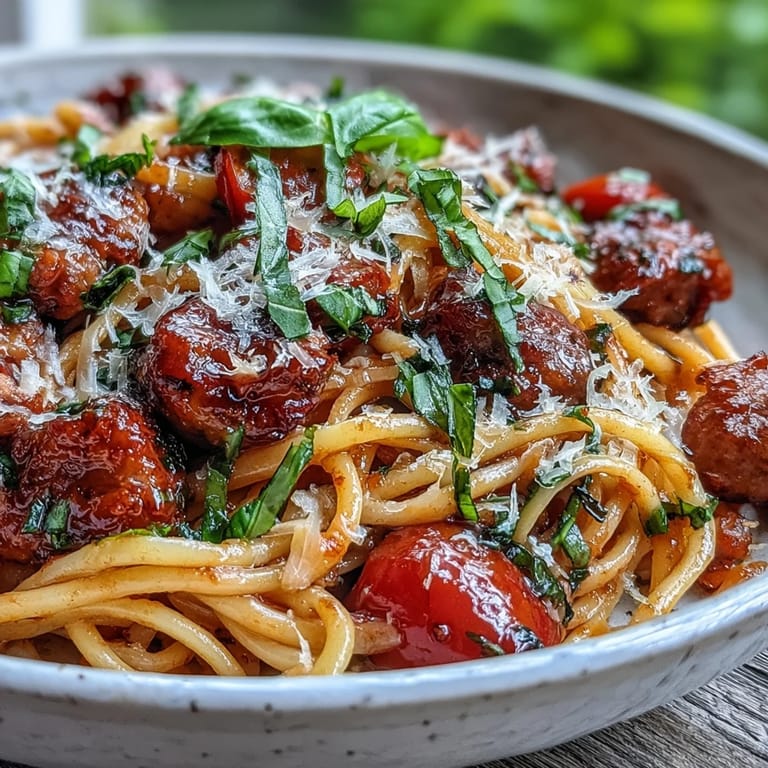
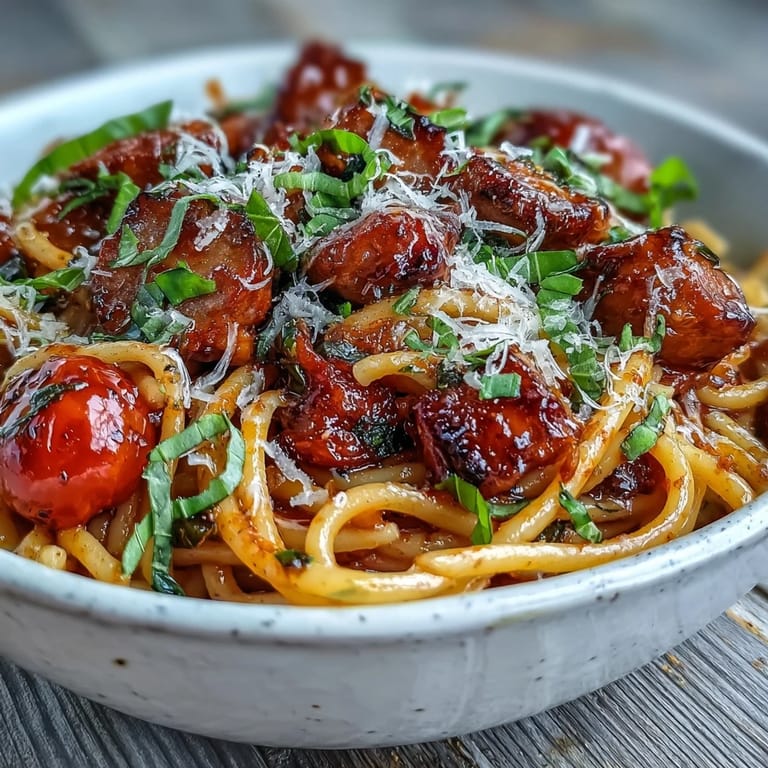
Save The first time I stumbled upon this Italian Asian fusion concept, I was cleaning out my fridge on a Tuesday night and had half a bottle of Chianti staring back at me. I'd spent a semester abroad in Florence and picked up my Nonna's trick of deglazing with wine, but my college roommate had recently taught me that soy sauce could deepen tomato flavors in ways I'd never imagined. So I threw together whatever I had, and my husband took one bite and actually put down his phone to ask what I'd made. That accidental dinner has become the most requested recipe in our house.
Last summer my sister came to visit with her two teenage boys who usually survive on pizza and chicken nuggets. I made this for dinner fully expecting to order takeout as backup, but my nephew Jake actually went back for thirds and asked if I could teach him how to make it before he left for college. Now he texts me photos of his attempts, and honestly, his version is getting better than mine.
Ingredients
- 12 ounces spaghetti or linguine: I love how thin noodles capture the sauce, but use whatever pasta shape speaks to you, even gluten free or whole wheat works beautifully here
- 2 tablespoons extra virgin olive oil: This is your flavor foundation so dont skimp, the oil carries all those spices and aromatics through the dish
- 1 small yellow onion: Thinly sliced so they melt into the sauce rather than staying in distinct pieces, creating this sweet savory base
- 4 garlic cloves: More than you might think, but trust me, the garlic mellows beautifully in the wine reduction
- 1 teaspoon red pepper flakes: Adjust this based on your spice tolerance, I usually start with less and add more if needed
- 8 ounces Italian sausage OR 8 ounces shrimp: Sausage gives you that hearty Italian vibe while shrimp keeps it lighter, both work perfectly with the wine sauce
- 1 pint cherry tomatoes: Halved so they burst and release their juices into the wine, creating these little pockets of sweetness throughout
- 2 tablespoons tomato paste: This concentrates the tomato flavor and helps thicken the sauce into something that really clings to the noodles
- ½ cup dry red wine: Chianti or Sangiovese are perfect but whatever dry red you have open will work, just nothing too sweet
- 2 tablespoons soy sauce: The secret ingredient that adds this incredible umami depth you cant quite put your finger on
- 1 tablespoon Worcestershire sauce: Just enough to add complexity without announcing itself, pairs surprisingly well with Italian herbs
- 1 teaspoon balsamic vinegar: A tiny splash that brightens everything and cuts through the richness of the wine and sausage
- ½ cup fresh basil: Tear it by hand right before serving so it releases those aromatic oils, dont chop it or youll lose the fragrance
- 2 tablespoons fresh parsley: Adds this fresh green note that balances the heavy wine reduction beautifully
- ¼ cup grated Parmesan: Save some extra for serving because everyone always wants more cheese on top
Tired of Takeout? 🥡
Get 10 meals you can make faster than delivery arrives. Seriously.
One email. No spam. Unsubscribe anytime.
Instructions
- Get your pasta water going first:
- Bring a large pot of salted water to a rolling boil and cook your pasta until just shy of al dente, it will finish cooking in the sauce later. Reserve one cup of that starchy pasta water before draining, this liquid gold will help bring everything together.
- Start building your flavor base:
- Heat olive oil in a large skillet over medium high heat until it shimmers slightly. Add those thinly sliced onions and let them soften for 2 to 3 minutes, they should be translucent and fragrant, not browned.
- Add the aromatics:
- Stir in your garlic and red pepper flakes, cooking for just 30 seconds until you can smell the garlic throughout your kitchen. Do not let it brown or it will turn bitter.
- Cook your protein:
- Add crumbled sausage and cook for 5 to 7 minutes, breaking it up with your spoon until browned and cooked through. If using shrimp instead, cook 2 to 3 minutes per side until pink and opaque.
- Build the sauce foundation:
- Add halved cherry tomatoes and tomato paste, cooking for 2 minutes while gently mashing some tomatoes with your spoon. You want those juicy pockets to burst and release their sweetness into the pan.
- Create the magic:
- Pour in that red wine and use your wooden spoon to scrape up all the browned bits from the bottom, that is where all the flavor lives. Let it simmer for 2 to 3 minutes until reduced by about half.
- Add depth and umami:
- Stir in soy sauce, Worcestershire, and balsamic vinegar. Let everything bubble together for another minute, then taste and adjust with salt, pepper, or more red pepper flakes if you like it spicy.
- Bring it all together:
- Add your drained pasta directly into the skillet and toss to coat. Add that reserved pasta water a few tablespoons at a time until the sauce clings beautifully to every single noodle.
- Finish with freshness:
- Remove from heat and stir in torn basil, chopped parsley, and grated Parmesan until the cheese melts and everything is coated in that glossy sauce.
- Serve it up:
- Divide among bowls and top with extra basil, Parmesan, sliced red chili if you like heat, and a lemon wedge for squeezing over the top just before eating.
 Save
Save My dad who claims to hate fusion food of any kind came over for dinner recently and I served this without telling him what was in it. He finished his entire bowl, leaned back, and said this was the best pasta dish he had ever eaten. When I told him about the soy sauce and Worcestershire, he just laughed and said sometimes the best discoveries happen when you break the rules.
Making It Your Own
I have made countless variations of this recipe depending on what is in my pantry. Sometimes I use mushrooms instead of sausage for a meatless version that still feels substantial. Other times I throw in spinach or arugula at the very end just to wilt it, adding some greens and a peppery bite that cuts through the rich sauce. The beauty of this dish is its adaptability while maintaining that signature wine kissed flavor profile.
Wine Pairing Magic
The obvious choice is to serve this with more of the same wine you used in the sauce, creating this beautiful continuity of flavors. I personally love a Chianti Classico with enough acidity to stand up to the tomatoes but enough fruit to complement the soy sauce. If you are not into red, a dry rosé actually works surprisingly well, especially if you are serving this on a warm summer evening. The wine should never overpower the food but rather lift all those complex flavors you have built.
Leftovers Love
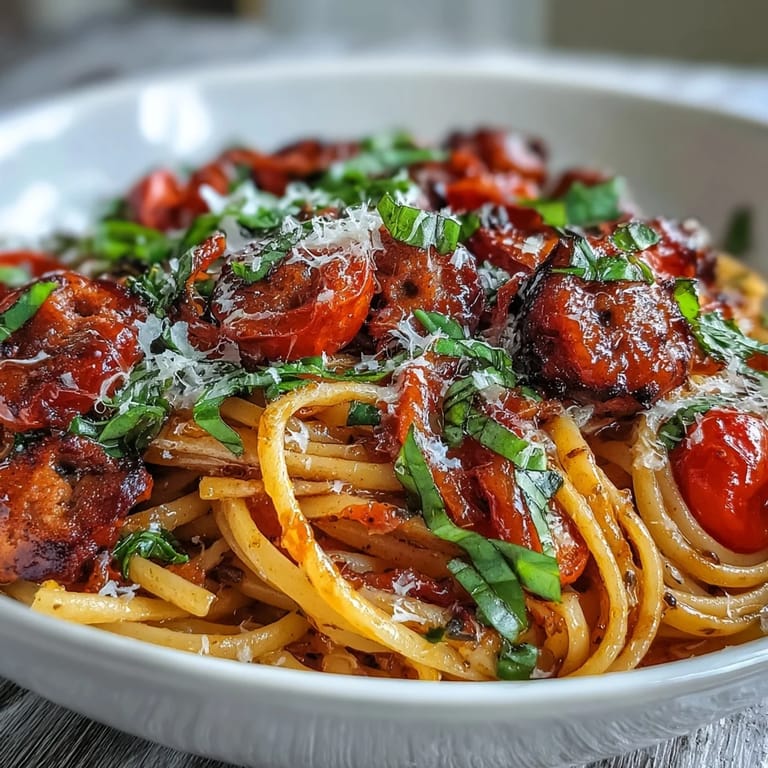
This might be one of those rare dishes that tastes even better the next day as all those flavors continue to meld and develop. I store it in an airtight container and reheat gently with a splash of water or wine to loosen the sauce back up. The pasta absorbs more liquid overnight so do not be alarmed if it looks thicker, that is just the flavors concentrating.
- Never reheat this on high heat or the sauce will separate and the pasta will become gummy
- Try forming leftover pasta into patties and pan frying them for this incredible crispy outside with soft pasta inside
- If planning ahead, slightly undercook the pasta initially since it will continue to absorb liquid in the fridge
 Save
Save There is something deeply satisfying about a recipe that takes the best of two culinary worlds and creates something entirely new yet comfortingly familiar. Whether you are cooking for skeptical family members or just want to surprise yourself with something delicious on a random Tuesday, this dish delivers every single time.
Kitchen Guide
- → Can this dish be made vegetarian?
Absolutely! To make it vegetarian, simply omit the sausage or shrimp. You can substitute with sautéed mushrooms, marinated tofu, or even hearty chickpeas for added protein and texture.
- → What's the best wine to use for the sauce?
The recipe specifically recommends a dry red wine like Chianti or Sangiovese. These wines offer a robust flavor that beautifully complements the tomato base and other ingredients, creating that signature 'drunken' effect.
- → What type of pasta works best with this sauce?
Spaghetti or linguine are excellent choices for this dish as their long strands hold the rich sauce beautifully. You can also opt for gluten-free or whole wheat varieties based on your dietary preferences.
- → How can I adjust the spice level?
You can easily tailor the heat! For more spice, increase the amount of red pepper flakes or add some fresh, thinly sliced chilies. For a milder version, simply reduce the red pepper flakes to your liking.
- → How should I store and reheat leftovers?
Store any leftover pasta in an airtight container in the refrigerator for up to 3 days. When reheating, do so gently on the stovetop or in the microwave, adding a splash of water or extra wine to revive the sauce.
- → Can I make this dish gluten-free?
Yes, you can! Just ensure you use a certified gluten-free pasta. Also, double-check the label on your Worcestershire sauce, as some brands may contain gluten. Look for gluten-free alternatives if needed.