 Save
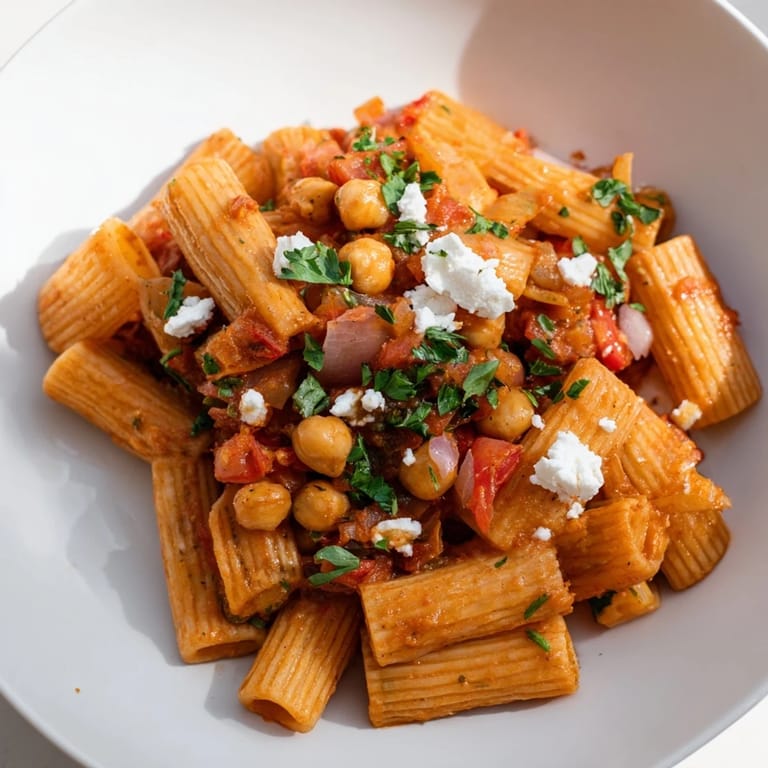
Save I discovered harissa pasta by accident on a Tuesday night when my spice cabinet was calling louder than my usual recipes. A friend had left harissa paste at my place months earlier, and there it sat, dusty and forgotten until I needed something to shake up dinner. I had pasta, canned chickpeas, and a sudden urge to cook with heat instead of comfort. Twenty minutes later, the kitchen smelled like something I'd eaten in a Marrakech market, and I realized this wasn't just improvisation—it was becoming a regular thing.
I made this for my sister who'd just moved into her first apartment with a two-burner stove and zero kitchen confidence. Watching her face light up when she tasted it—when she realized she could actually cook something this vibrant and alive—that's when I knew this recipe was worth keeping. She's made it every week since, sometimes adding roasted vegetables when she gets ambitious.
Ingredients
- Dried short pasta (350 g): Penne, rigatoni, or fusilli all trap the sauce beautifully in their ridges and curves; I learned the hard way that thin spaghetti just slides through.
- Olive oil (2 tbsp): This is your base layer of flavor—don't skimp or substitute.
- Medium onion, finely chopped: The sweetness balances the harissa's heat and creates the sauce's foundation.
- Garlic cloves, minced (3): Mince small so the pieces distribute evenly and cook through in just one minute.
- Harissa paste (2 tbsp): This North African chile paste is the soul of the dish; adjust upward if you love fire or downward if you're easing into heat.
- Ground cumin (1 tsp): It echoes the earthiness already in harissa and adds depth without muddiness.
- Smoked paprika (1/2 tsp): The smokiness ties everything to something almost primal and warm.
- Canned diced tomatoes (400 g): Their acidity cuts through the richness and brightens the whole sauce.
- Canned chickpeas, drained and rinsed (2 cans): Rinsing removes excess starch and sodium, letting the spices shine through instead of a tinny taste.
- Vegetable broth or water (1/2 cup): This gives the sauce room to breathe and prevents it from becoming a paste.
- Lemon zest and juice: Added at the end, the zest adds a bright pop of aromatics and the juice lifts everything at the last second.
- Fresh parsley or cilantro (2 tbsp chopped): Cilantro leans into the harissa's North African roots; parsley is gentler if you prefer.
- Crumbled feta cheese (optional): A cool, salty contrast that makes the heat feel manageable and the whole dish feel finished.
Tired of Takeout? 🥡
Get 10 meals you can make faster than delivery arrives. Seriously.
One email. No spam. Unsubscribe anytime.
Instructions
- Get your water going and season it:
- Bring a large pot of salted water to a rolling boil—the water should taste like the sea. This is where the pasta learns its baseline flavor.
- Cook the pasta al dente:
- Follow the package timing but start checking a minute early; you want it tender but still with a tiny firmness when you bite down. Reserve a full half cup of pasta water before draining—this starchy water is your secret weapon for loosening the sauce later.
- Start building the sauce base:
- While pasta cooks, heat olive oil in a large skillet over medium heat until it shimmers. Add the finely chopped onion and let it soften for four to five minutes, stirring occasionally, until it's translucent and starting to turn golden at the edges.
- Wake up the spices:
- Stir in the minced garlic, harissa paste, cumin, and smoked paprika all at once. Cook for just one minute—this blooming step releases all the aromatic oils and prevents the paste from sitting raw on your tongue.
- Build the sauce:
- Pour in the diced tomatoes with their juice and the drained chickpeas, then add the vegetable broth. Stir everything together, season with salt and pepper, and bring to a gentle simmer.
- Let it meld:
- Cover and cook for ten to twelve minutes, stirring occasionally, until the sauce thickens slightly and the flavors marry into something that tastes like it's been simmering for hours instead of minutes.
- Bring it together:
- Add the cooked pasta directly to the skillet, tossing until every piece is coated in the spiced sauce. If it looks too thick or clumpy, splash in some of that reserved pasta water—you're going for silky, not stodgy.
- Finish with brightness:
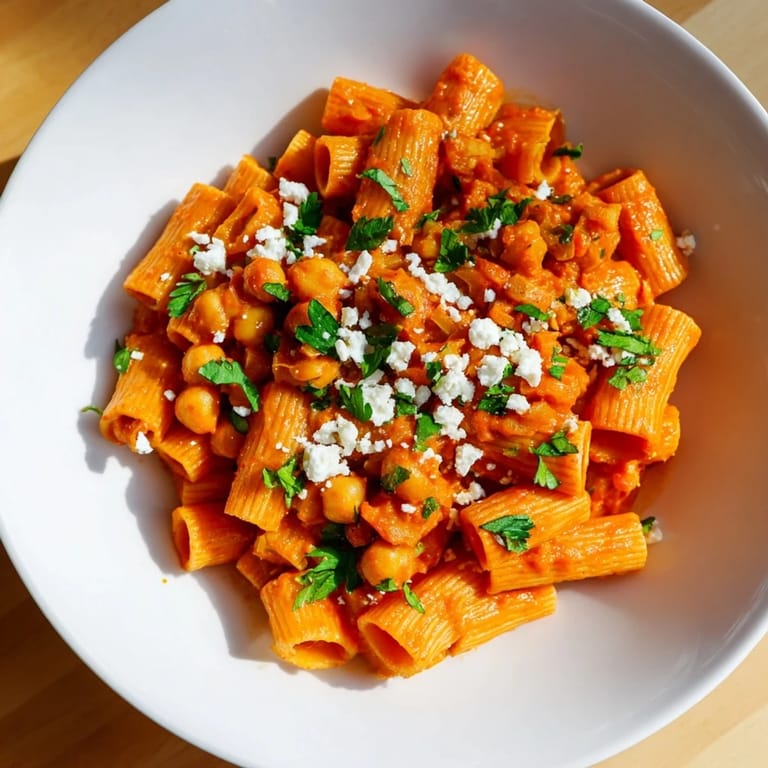
- Remove from heat and stir in the lemon zest, lemon juice, and fresh herbs. Taste and adjust the salt, pepper, or heat level—this is your moment to make it exactly yours.
 Save
Save This pasta taught me that sometimes the best meals happen when you stop following recipes and start following what's in front of you. The first time I made it, I was tired and hungry and willing to take a risk, and that's exactly when food becomes memorable.
The Heat Conversation
Harissa is not one-note spice—it's a complex heat that builds as you eat, warming your lips and throat rather than burning them. I've learned that people who say they don't like spicy food often just haven't met the right kind of spice yet. This dish introduces harissa gently, cushioned by tomatoes and chickpeas, so even cautious eaters often find themselves reaching for seconds. If you're cooking for someone nervous about heat, start with a tablespoon and a half of harissa instead of the full two, then let them adjust from there.
Why This Pasta Works as Weeknight Dinner
There's a sweet spot in cooking where something tastes complicated enough to feel intentional but comes together quickly enough that you don't lose your mind in the kitchen. This pasta lives in that space. By the time you sit down, you've created layers of flavor without slaving over a stove, and the whole thing feels like a small victory after a long day. I keep dried pasta, canned chickpeas, and harissa in permanent rotation now because knowing I can make something this good in under forty minutes changes how I think about weeknight cooking.
Variations and Additions
This base is flexible enough to absorb whatever you want to throw at it. Roasted red peppers add sweetness, spinach or kale wilts in at the end for green, and sometimes I add a handful of sun-dried tomatoes for depth. A fried egg on top turns it into something almost indulgent, and swapping the chickpeas for white beans or lentils changes the flavor just enough to feel like a different dish entirely.
- Roast some vegetables like zucchini or bell peppers beforehand and toss them in during the last simmer for textural contrast.
- Add a splash of coconut milk if you want to soften the heat and add richness without cream.
- Fresh mint instead of cilantro gives it a completely different character—lighter and more Mediterranean.
 Save
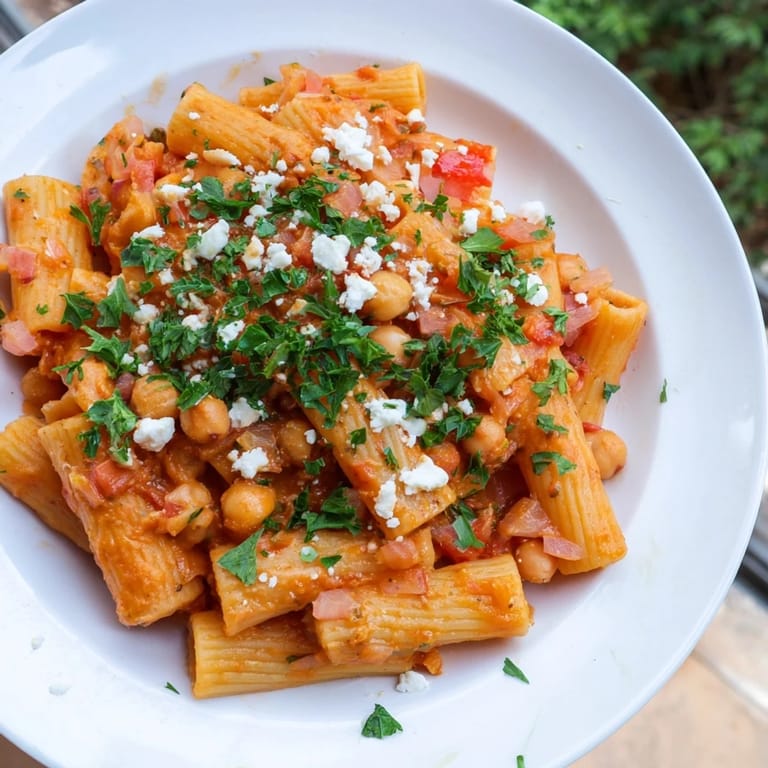
Save This pasta reminds me that the best meals often come from having a good spice on hand and the willingness to take a chance. Make it tonight and tomorrow you'll be craving it again.
Kitchen Guide
- → What pasta types work best with this dish?
Short pastas like penne, rigatoni, or fusilli hold the sauce well, allowing the spiced chickpea mixture to cling evenly.
- → How can I adjust the heat level?
Add more harissa paste or a pinch of chili flakes to increase spiciness without overpowering other flavors.
- → Can I substitute chickpeas with other ingredients?
White beans or roasted vegetables make excellent alternatives, offering different textures while complementing the sauce.
- → What steps ensure the sauce achieves the right consistency?
Simmer the harissa-tomato sauce uncovered for 10–12 minutes, stirring occasionally, until it thickens and flavors merge.
- → How do lemon and herbs enhance this dish?
Lemon zest and juice add brightness, while fresh parsley or cilantro lift the dish with herbal freshness balancing the spice.