 Save
Save My neighbor handed me a bowl of this soup on a gray November afternoon, steam rising off the surface while she explained it was her grandmother's recipe from somewhere in Eastern Europe. I'd never thought to put cabbage in potato soup before, but that first spoonful changed everything—the sweetness of the cabbage playing against the earthy potatoes, so simple yet somehow it felt like a secret I'd been missing. Now whenever the weather turns cold, I find myself making it, and my kitchen fills with that distinctive smell of caramelized onions and butter that somehow means comfort.
I made this for my sister when she was stressed about work, and watching her shoulders relax after that first spoonful reminded me why home cooking matters. She came back for seconds without saying a word, and we just sat there eating and listening to the rain outside—sometimes the best conversations happen over a good bowl of soup.
Ingredients
- Unsalted butter: Two tablespoons might seem small, but it's your foundation for building deep flavor—never skip this step, as it's what makes the onions golden and sets the whole tone.
- Yellow onion: One large one, diced, becomes the sweet backbone of your soup, so take a moment to dice it fairly uniform so it cooks evenly.
- Garlic: Just two cloves, but mince them fine and add them quickly after the onions soften to avoid any bitterness creeping in.
- Green cabbage: About half a head sliced thin—this is what gives the soup its subtle sweetness and keeps it from feeling one-note.
- Russet potatoes: Seven hundred grams peeled and diced into roughly half-inch cubes, these will soften into the creamy base while maintaining just enough structure.
- Carrots: Two medium ones diced along with the potatoes add color and a gentle sweetness that balances everything.
- Vegetable stock: One liter of good quality stock makes all the difference—taste it first if you can, as some brands are saltier than others.
- Whole milk or cream: Two hundred fifty milliliters stirred in at the end creates that velvety texture, though you can use less for a lighter version.
- Bay leaf: One whole leaf simmering with the vegetables adds a whisper of complexity you won't even notice consciously, but you'll miss it if it's gone.
- Dried thyme: Half a teaspoon of this herb is gentle but present, bringing an almost herbal earthiness to the pot.
- Salt and black pepper: Season at the end, not the beginning—your stock may already contain salt, so taste carefully and build from there.
- Nutmeg: Just a pinch if you choose to use it, adds a warmth that some people swear ties everything together.
- Fresh parsley: Two tablespoons chopped at the very end, scattered over each bowl as if you're adding a small gesture of care.
Tired of Takeout? 🥡
Get 10 meals you can make faster than delivery arrives. Seriously.
One email. No spam. Unsubscribe anytime.
Instructions
- Warm your pot and melt the butter:
- Set a large pot on medium heat and let the butter melt until it's foaming gently, about thirty seconds. You'll know it's ready when it smells nutty and just starting to brown at the edges.
- Cook the onion until soft and sweet:
- Add your diced onion to the melted butter and stir occasionally, listening for that gentle sizzle to continue. After about four minutes, the onion should be turning translucent and releasing its natural sugars.
- Wake up the garlic:
- Stir in the minced garlic and let it cook for exactly one minute—no longer or it'll turn bitter and metallic. You should smell something warm and fragrant rise from the pot.
- Sauté the cabbage and carrots:
- Add the sliced cabbage and diced carrots to the pot, stirring gently so everything gets coated in that buttery mixture. Let them cook for about five minutes until the cabbage begins to soften and release some of its own moisture.
- Add the potatoes and create your soup base:
- Pour in the diced potatoes along with the bay leaf, thyme, and all your vegetable stock. Give it a good stir so nothing sticks to the bottom, then turn up the heat to bring everything to a rolling boil.
- Simmer gently until everything is tender:
- Once it boils, reduce the heat so the soup bubbles just at the surface in a gentle rhythm rather than a vigorous rolling boil. This takes twenty to twenty-five minutes—you'll know it's done when you can easily mash a potato piece against the side of the pot with a wooden spoon.
- Blend for creaminess:
- Fish out and discard the bay leaf, then use an immersion blender to purée about half the soup, making quick passes through the pot so you end up with a creamy base but still some recognizable chunks. If you don't have an immersion blender, carefully transfer half to a regular blender, purée it, and stir it back in.
- Finish with milk and seasonings:
- Stir in your milk or cream slowly, letting it warm through without boiling—boiling cream can sometimes split and look grainy. Taste now and adjust salt, pepper, and add that optional pinch of nutmeg if you want something a little deeper.
- Serve with intention:
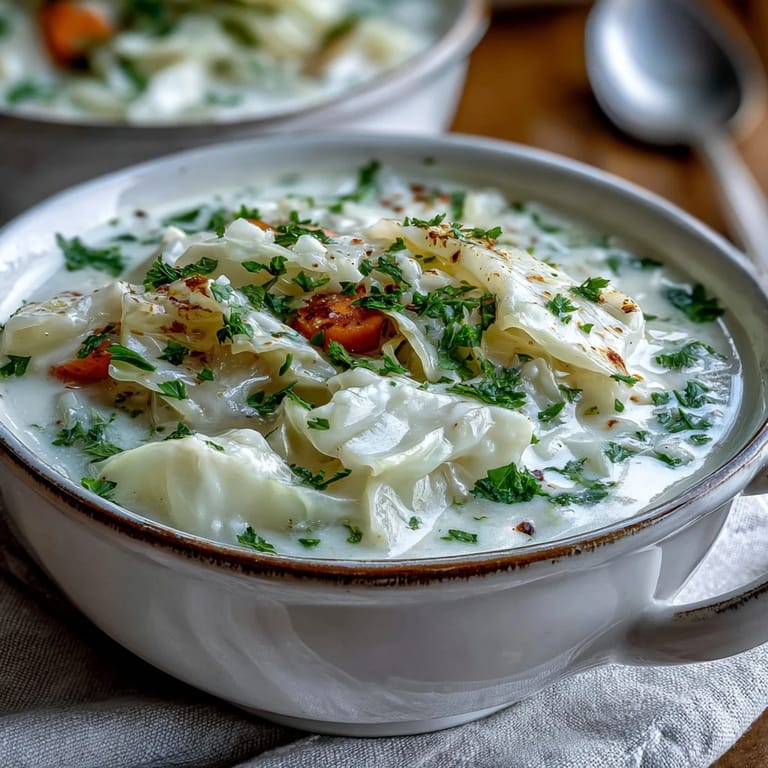
- Ladle the soup into bowls and scatter fresh parsley over the top like you're putting the final brushstroke on a painting. Serve hot with crusty bread if you have it, which is wonderful for soaking up every last drop.
 Save
Save There's something quietly powerful about a pot of soup simmering on your stove while the world outside gets cold and dark. This one has become my winter ritual, the one I make when I need to feel grounded, or when someone I care about needs reminding that they're not alone.
When to Use Cream Versus Milk
Whole milk creates a lighter soup that's still creamy and comforting, making it perfect for lunch or a lighter dinner. Heavy cream gives you that luxurious, almost restaurant-quality richness that feels special, but it's heavier on the stomach and definitely saves for cooler evenings when you want to feel fully embraced by food. I usually reach for milk on weeknights and cream on weekends, but honestly, both work beautifully—it depends on your mood and what you have on hand.
Making It Your Own
Once you've made this soup a few times, you'll start seeing all the ways you can shift it to match what you have or what you're craving. Some mornings I add a handful of spinach or kale right at the end, letting it wilt into the warm soup, while other times I've thrown in diced celery or even half a fennel bulb for something more interesting. The foundation is so solid that it supports whatever vegetables or additions you want to play with.
Storing and Reheating Tips
This soup keeps beautifully in the refrigerator for about four days, though I find it's best within the first two days when the flavors are brightest. When you reheat it, do so gently over medium-low heat, stirring occasionally and adding a splash of milk or stock if it's thickened up too much—the starch from the potatoes will absorb liquid as it sits, so don't panic if it seems thicker the next day.
- Freeze it without the cream added, then thaw and stir in fresh milk when you reheat for the best texture.
- If you're meal prepping, divide into portions and freeze in individual containers for grab-and-go comfort on hard days.
- Taste for seasoning after reheating, as sometimes the flavors mellow and need a little salt boost to come alive again.
 Save
Save This soup is proof that the simplest things often taste the best. Make it when you need something warm, share it with someone who needs caring for, and let it remind you why cooking for people you love is never just about the food.
Kitchen Guide
- → Can I make this soup vegan?
Yes, simply replace the butter with olive oil and use your favorite plant-based milk instead of dairy milk or cream. The result will be equally creamy and delicious.
- → What type of potatoes work best?
Russet potatoes are recommended for their starchy texture that creates creaminess when blended. Yukon Gold potatoes are an excellent alternative if you want an even creamier consistency.
- → How do I achieve the right texture?
Use an immersion blender to partially purée the soup, leaving some chunks of potato and cabbage for body and texture. Avoid over-blending if you prefer a heartier consistency.
- → Can I add meat to this soup?
Absolutely. Chopped cooked bacon or smoked sausage makes an excellent addition for a heartier, non-vegetarian version. Add them during the final warming stage.
- → How should I store leftovers?
Store cooled soup in an airtight container in the refrigerator for up to 3 days. Reheat gently on the stovetop, adding a splash of milk or stock if the soup has thickened.
- → What can I serve alongside this soup?
Crusty bread is perfect for dipping. For beverages, pair with a crisp white wine like Riesling to complement the creamy, savory flavors.