 Save
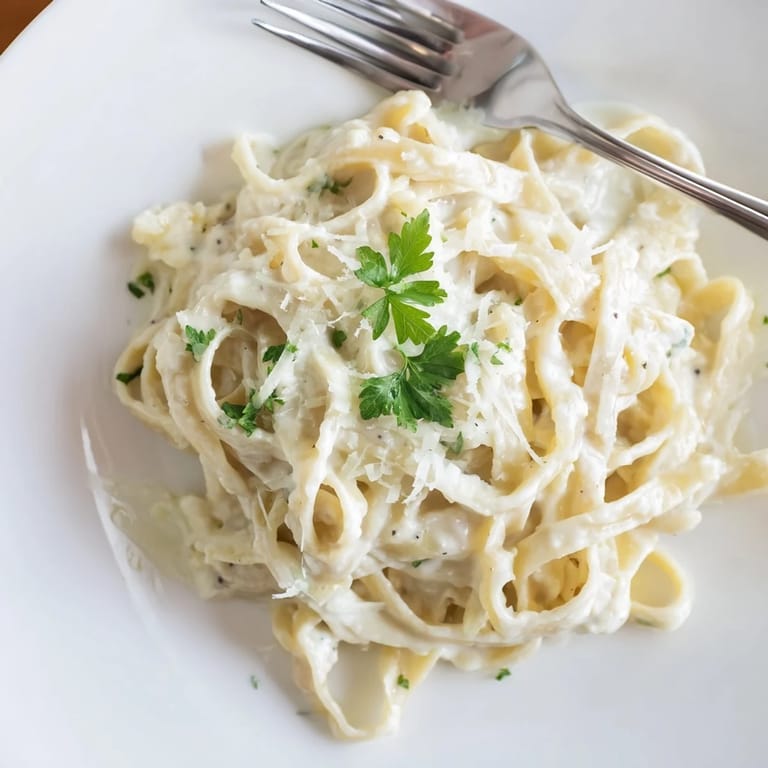
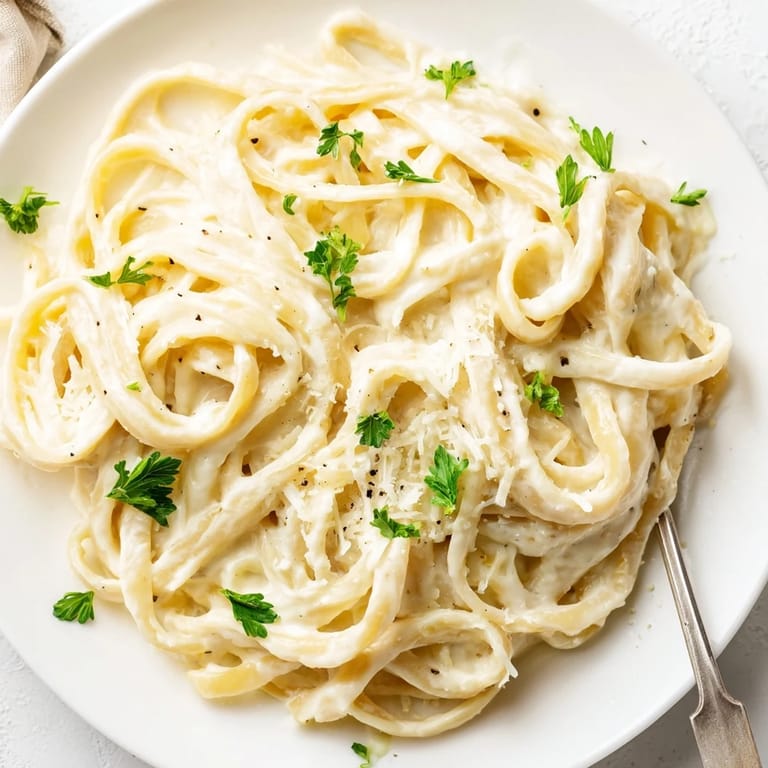
Save I used to think Alfredo sauce was one of those things you either ordered at restaurants or made from a jar, until a friend casually mentioned she makes hers from cauliflower. The idea seemed absurd—how could a vegetable transform into that silky, rich coating I loved so much? But one rainy Tuesday, I tried it anyway, mostly because I had a head of cauliflower sitting in the fridge and nothing else planned for dinner. When I took that first bite, I actually laughed out loud. The sauce was impossibly creamy, coating the fettuccine just like the restaurant version, but without that heavy feeling afterwards.
Last month, my sister came over for dinner and watched me make this, genuinely skeptical about the cauliflower situation. She kept hovering around the blender, asking questions about whether I was sure this would actually work. When we finally sat down to eat, she took about three bites before putting her fork down and asking for the recipe. Now she makes it for her kids, who have no idea theyre eating something thats secretly good for them. Thats the kind of kitchen win that keeps me coming back to this recipe.
Ingredients
- 1 medium head cauliflower: cut into florets, about 700 grams—this becomes the silky base of your sauce so dont be shy about using a nice, fresh head
- 3 cloves garlic: peeled and cooked along with the cauliflower, giving the sauce that subtle warmth that makes Alfredo taste authentic
- 1 small yellow onion: chopped, adding a gentle sweetness that balances the cauliflower
- 2 tablespoons unsalted butter: this is where the richness comes from, so use real butter if you can
- 1/3 cup grated Parmesan cheese: plus extra for serving, this creates that classic Alfredo flavor we all know and love
- 1/2 cup milk: dairy or unsweetened plant-based, helping achieve that pourable consistency
- 350 g fettuccine or linguine: something with enough surface area to hold onto all that creamy sauce
- 1 teaspoon salt: plus more to taste, seasoning both the vegetables and the final sauce
- 1/2 teaspoon freshly ground black pepper: adding that gentle heat that cuts through the creaminess
- Pinch of ground nutmeg: optional, but this is the secret ingredient that makes restaurant Alfredo taste special
- Fresh parsley: chopped, for a pop of color and freshness on top
Tired of Takeout? 🥡
Get 10 meals you can make faster than delivery arrives. Seriously.
One email. No spam. Unsubscribe anytime.
Instructions
- Get your vegetables tender:
- Bring a large pot of salted water to a boil and add your cauliflower florets, garlic cloves, and chopped onion. Let them cook for about 8 to 10 minutes until the cauliflower is completely tender—you should be able to easily pierce it with a fork.
- Blend it all together:
- Using a slotted spoon, transfer the cooked vegetables to your blender, then add the butter, Parmesan, milk, salt, pepper, and nutmeg if youre using it. Blend until completely smooth, adding a splash of the cooking water if it seems too thick.
- Cook your pasta:
- In the same pot you used for the vegetables, cook your fettuccine according to the package instructions until al dente. Before draining, reserve about 1 cup of that starchy pasta water—it helps bind everything together.
- Bring it all together:
- Return the drained pasta to the pot and pour that beautiful cauliflower sauce over it. Toss everything well, adding some of your reserved pasta water if needed until the sauce coats each strand perfectly.
- Season and serve:
- Taste your sauce and add more salt or pepper if it needs it, then serve hot with some fresh parsley and extra Parmesan scattered on top.
 Save
Save This recipe has become my go-to when I want to feed people something that feels indulgent but actually leaves everyone feeling light and satisfied. Theres something magical about watching people take that first bite, looking skeptical, and then seeing their eyes widen when they realize just how good it is. Food that surprises people is the best kind of food.
Making It Your Own
Ive discovered that this sauce base is incredibly forgiving and adaptable. Sometimes I throw in some sautéed mushrooms if I want more earthiness, or steamed broccoli for extra green. The beauty is that the cauliflower sauce creates such a perfect canvas that almost anything works with it.
Texture Secrets
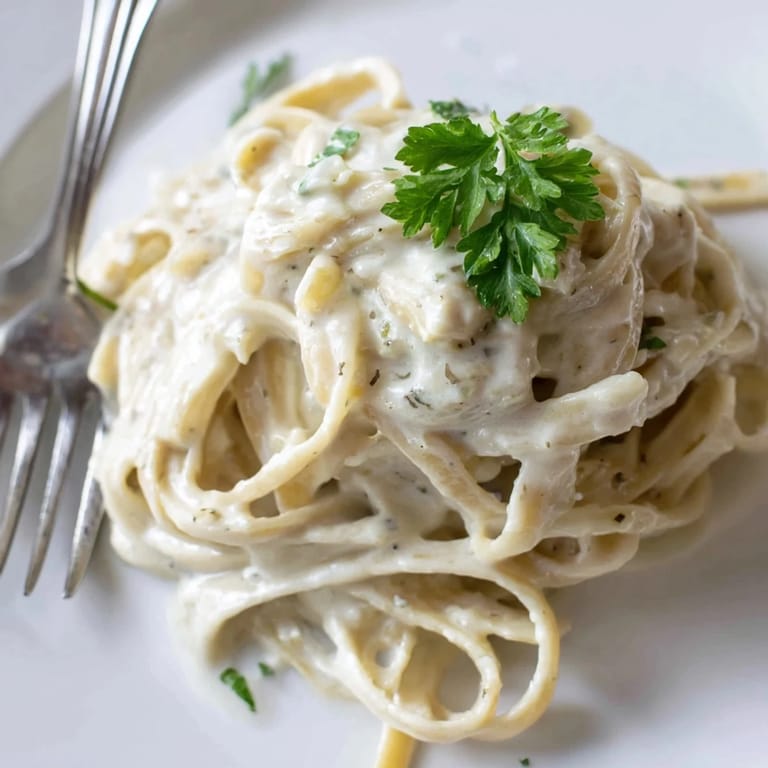
The key to restaurant quality results is patience during blending—let it run longer than you think you need to. If you have a high speed blender, the sauce becomes almost impossibly smooth, like velvet. I once stopped blending too early and ended up with a slightly grainy texture, and I learned my lesson—let that machine work.
Make Ahead Magic
You can actually make the sauce a day ahead and keep it in the refrigerator, which has saved me on busy weeknights more times than I can count. When you reheat it, add a splash of milk or water because it thickens up in the fridge.
- The sauce freezes beautifully for up to three months if you want to batch cook
- Leftovers actually taste better the next day as the flavors meld together
- Double the recipe and you will thank yourself on nights when cooking feels impossible
 Save
Save Hope this recipe finds its way into your regular rotation like it has in mine. Sometimes the best discoveries come from questioning what we think we know about food.
Kitchen Guide
- → What makes cauliflower Alfredo lighter than traditional versions?
Cauliflower replaces heavy cream as the base, dramatically reducing fat content while maintaining that signature velvety texture. The vegetable naturally purees into a silky sauce that mimics cream's consistency without the calories.
- → Can I make this dairy-free?
Absolutely. Swap butter for vegan butter, use nutritional yeast or vegan Parmesan alternative, and choose unsweetened plant-based milk. The sauce still achieves wonderful creaminess through the cauliflower base.
- → What pasta shapes work best?
Fettuccine and linguine are classic choices because their flat surfaces catch the sauce beautifully. However, the silky cauliflower mixture coats any pasta shape effectively, from penne to fusilli.
- → How long does the sauce keep?
Store cooled sauce in an airtight container for up to 3 days. Reheat gently with a splash of milk or water to restore creaminess. The sauce may thicken when chilled but loosens perfectly upon warming.
- → Can I add protein to this dish?
Grilled chicken, sautéed shrimp, or white beans complement the delicate flavor beautifully. The mild cauliflower sauce allows protein additions to shine without overpowering the overall dish.